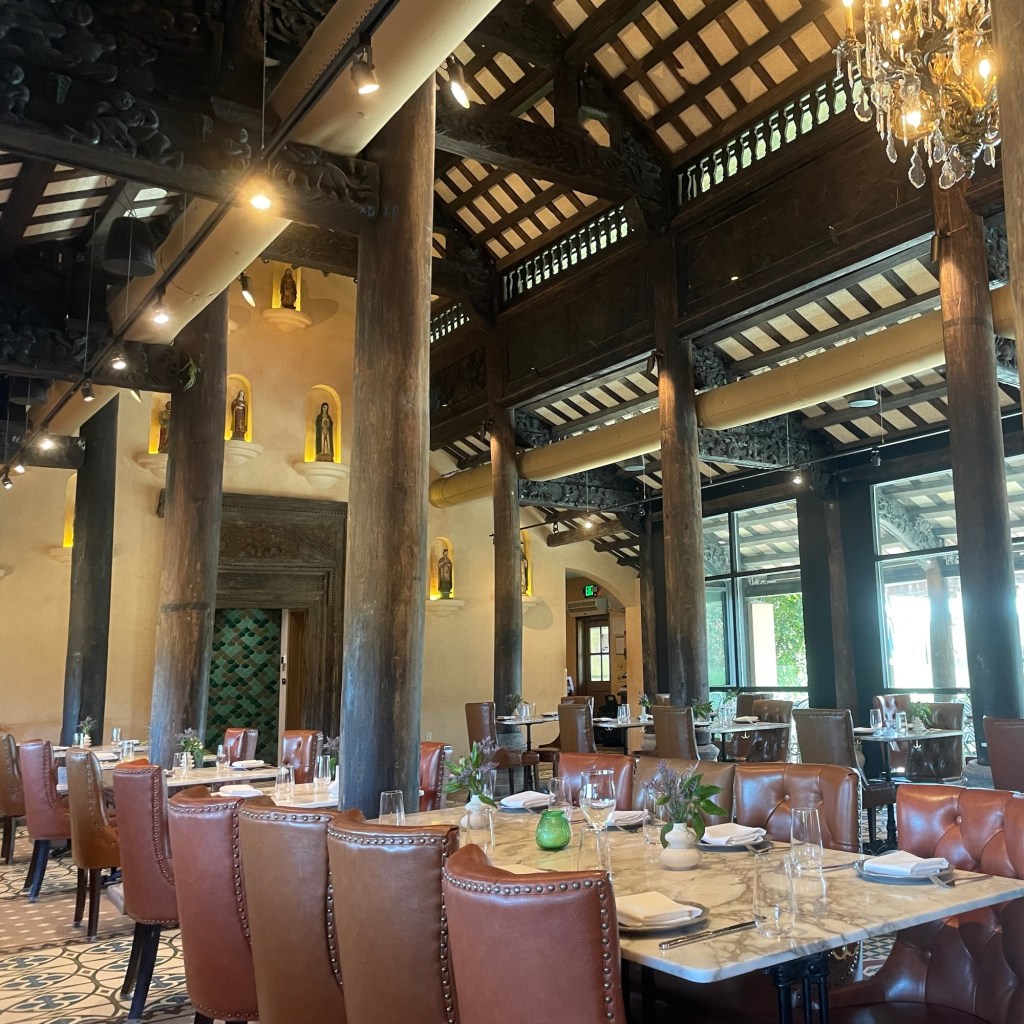
On Thursday I drove out to Dripping Springs for Doray’s birthday lunch. We went to Tillie’s at Camp Lucy, a resort in the hill country. The restaurant is inside an old Vietnamese building that was taken apart for transport, brought here and reconstructed. They have alpacas roaming around.
Inside Tillie’s
Tillie’s is named after the great grandmother of Whit Hanks, an art and antiques dealer in Austin, who owns the property. When I moved here and bought my first house, I bought several pieces of furniture and rugs from Whit Hanks antiques on west 5th street. I still enjoy them.
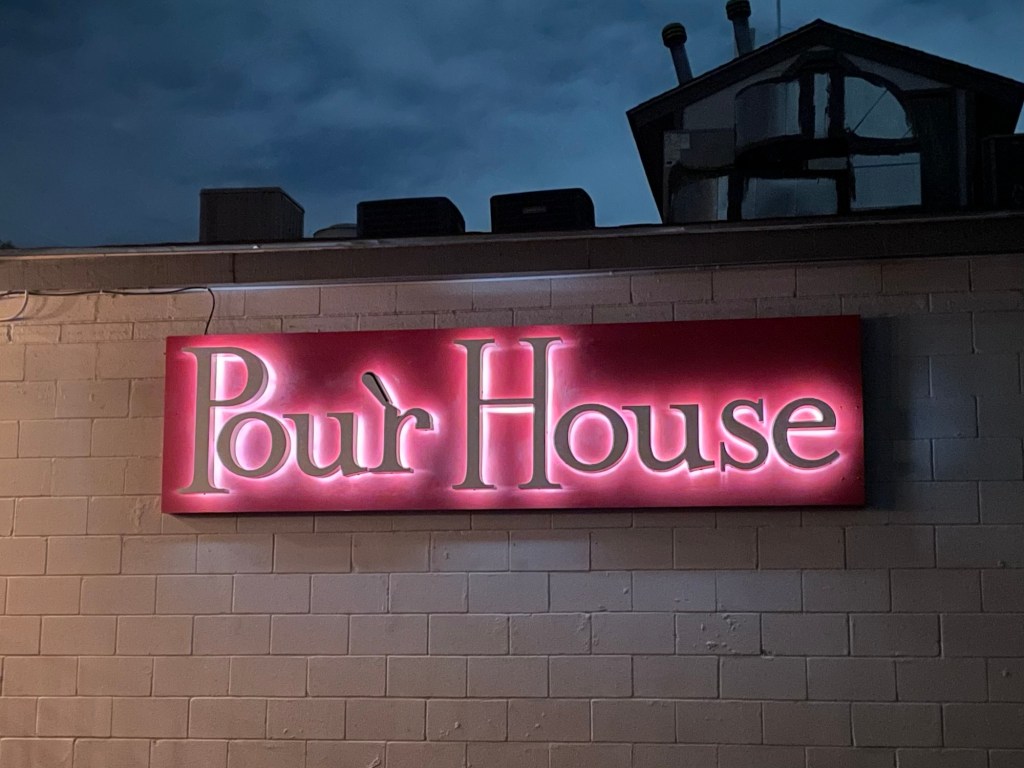
There is a happy Hoosier in the house! We headed to the Pour House for dinner and to watch the Peach bowl last night. Indiana is sure kicking it this season. Hoo hoo hoo Hoosiers!
Monte has a longtime family friend who used to be in the IU Band – the Marching 100, who was reminiscing about playing in the Rose Bowl years ago. He is talking about the last time IU appeared in the Rose Bowl, which was 1968!!
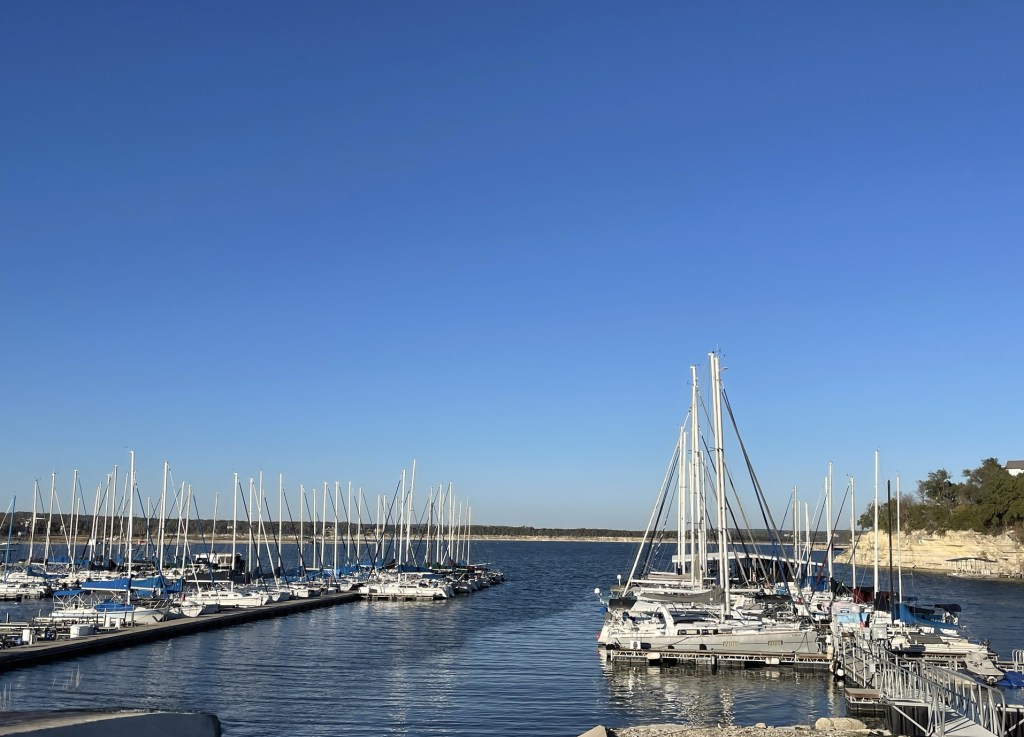
Happy New Year! Yesterday was a good day to be a Lake Travis sailor and a Seahawks fan. Not so great a day if you suffer from cedar fever. But I can take the bad with the good.
We had a really nice sail on Nirvana with Kevin & Edie. Nice winds. A gorgeous sunny January day. Then we made it home in time to watch the late game. My team won and is the number 1 seed in the NFC! 💙💚
Monte and I threw a party over the Christmas holidays. We got a leg of Jamón Serrano to get things started, and so we made tapas the theme for the rest of the nibblies that we served.
A mainstay in any tapas bar in Spain is the Tortilla Española, a traditional dish made with eggs and potatoes, with a little onion in most cases. When I lived in Spain, I remember spending a day learning how to cook it with my friend Conchita. I’ve made it a few times over the years. But it has been a very, very long time since I tried to again.
I made a practice one earlier in the week, to make sure I could still do it 🙂 That turned out ok, so I made a few more the day before the party. I thought they turned out great, so I’ll share the recipe here.
Ingredients:
The biggest mystery for me was getting the correct amount of ingredients for the specific skillet size I had at my disposal. In my case, it was a 10″ skillet. So the ingredient amounts here are for making a tortilla in a skillet of that size.
Potatoes: I swear by golden potatoes for pretty much any kind of potato dish I make – other than baked potatoes, that is, for which russets are the best. So this means yukon gold, Idaho gold, etc. The golden potatoes I found were small to medium-sized, as opposed to large. I found that starting with about 1.5 pounds of golden potatoes was more than enough for one tortilla and my 10″ skillet. This ended up being about 6 of my smallish gold potatoes, peeled and sliced thin.
Eggs: 6 large eggs worked nicely.
Onion: Sweet onions are my preferred variety. I used half of a medium-sized sweet onion, sliced thin.
Olive oil: You’ll need 1.5- 2 cups of Extra Virgin Olive Oil. You’ll know you have the right amount if it just covers the potatoes while they are cooking.
Salt: I like to use kosher salt. I didn’t measure the salt, but added it along the way as noted.
Kitchen Tools:
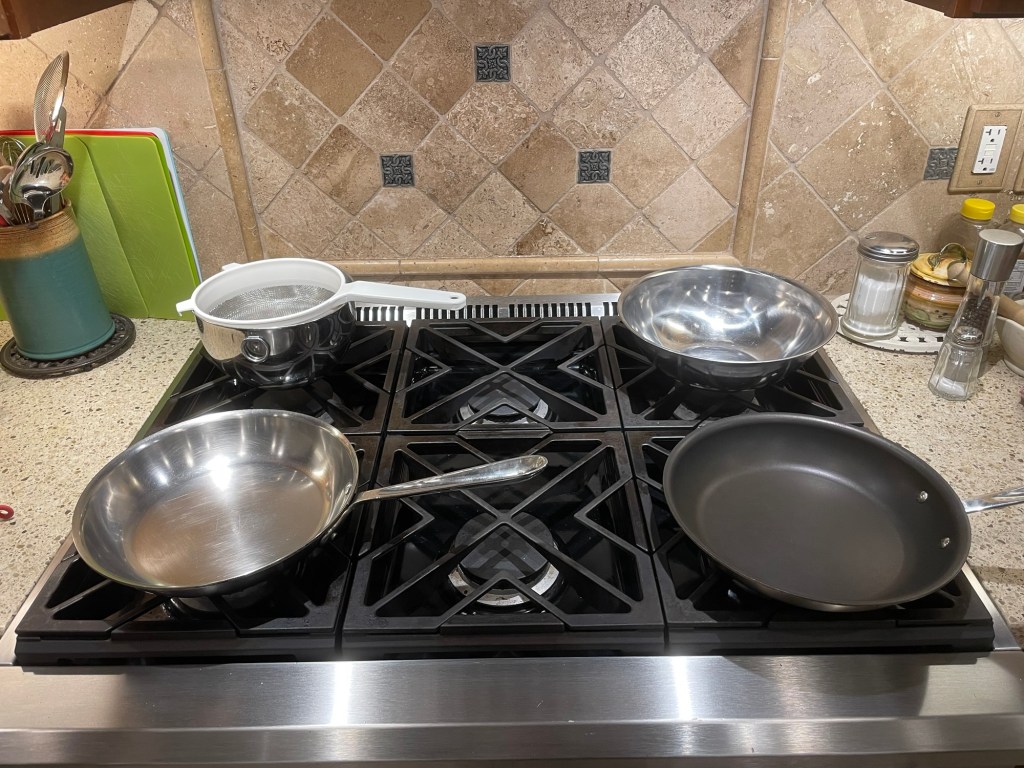
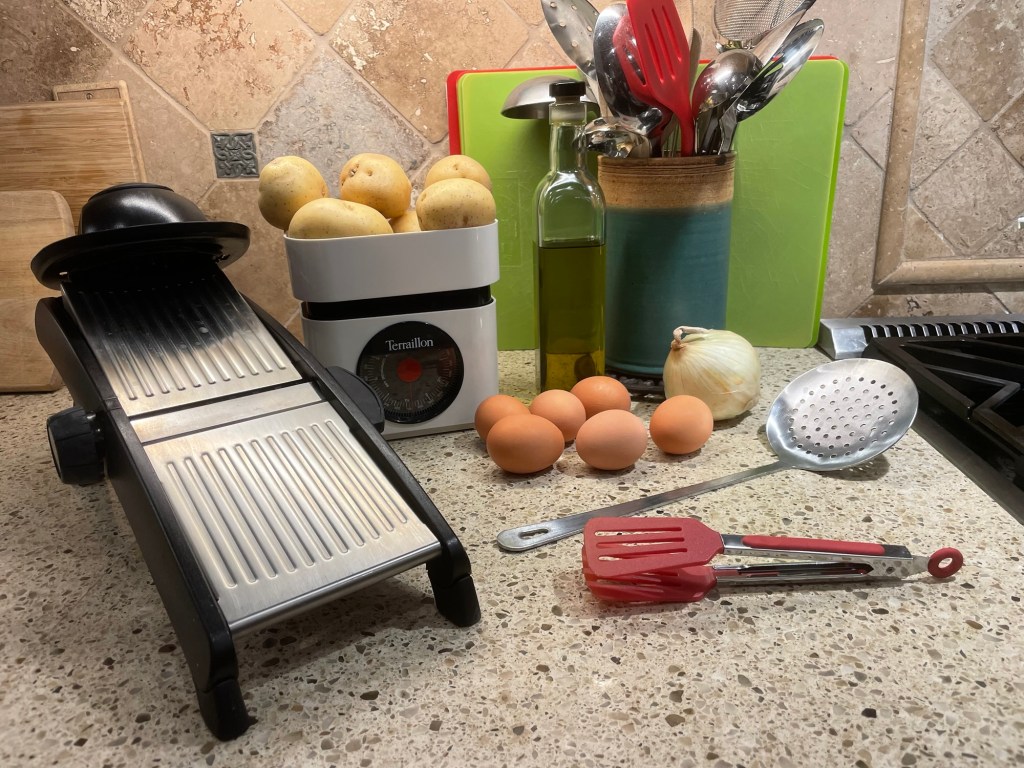
It’s important to make sure you have all the kitchen equipment that you’ll need beforehand (in addition to a potato peeler, knives, etc). Here’s a summary of what I used:
– Two 10″ skillets, one without non-stick (for the cooking of the onions, and the preparation of the potatoes) and one with non-stick (for the actual cooking of the tortilla after all the ingredients have been prepared). You can probably get away with one, but if you plan to make more than one tortilla, having two skillets allows you to overlap some steps.
– A mesh strainer and bowl to drain oil from the cooked potatoes after cooking them. You can reuse the strained oil if cooking more than one tortilla.
– A large bowl to hold the combined egg, potato, and onion mixture before the final cooking step.
– A big, flat metal scoop with holes to transfer the cooked potato slices from the oil to the strainer. This is because you want to keep the potatoes flat when transferring them, or they will break up into small pieces, which you should try to avoid.
– A mandolin for slicing potatoes thin (I used the 3mm setting).
– A wide-ended set of tongs that can be used to grab the potatoes as they are cooking in the oil and flip them in place, for even cooking. These are the red tongs in my photo below. I wish I had something bigger/better, but these silicon spatula tongs worked ok for the task.
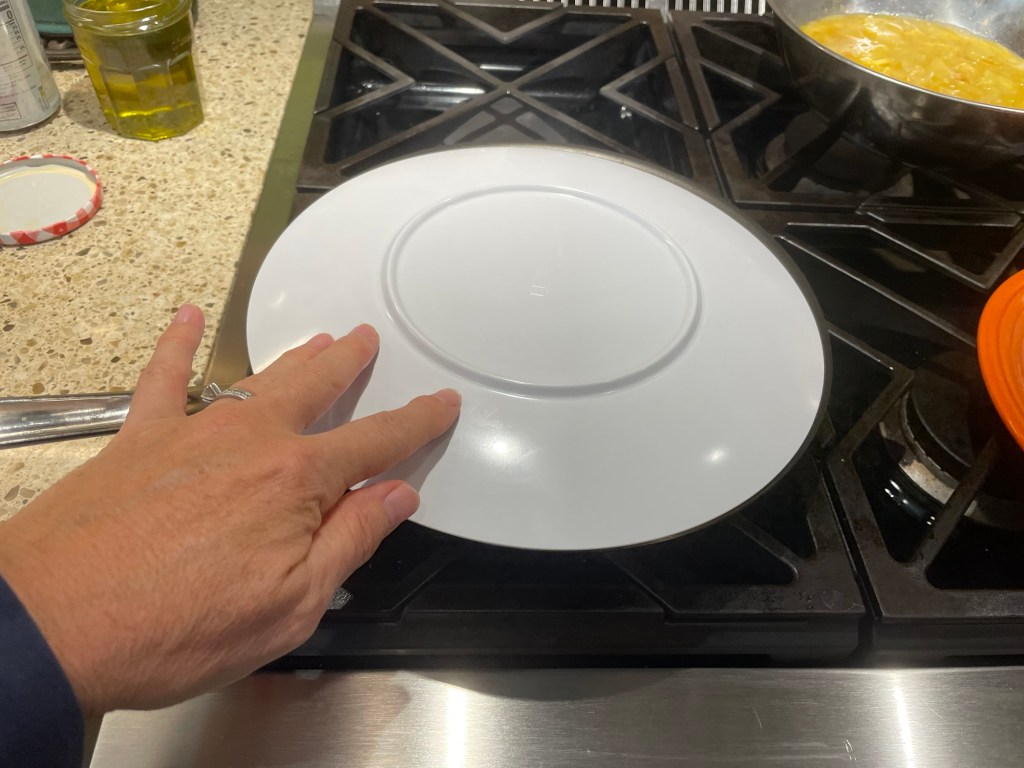
– A mostly flat plate, a little bigger than the top of your skillet, used to flip the tortilla. You don’t want a lip on the edge of the plate, as you want to be able to slide the tortilla from plate to pan easily.
Making the tortilla:
Makes 1 tortilla. Cooking time… more than you think. Probably about 1.5 hours overall, if you’re as slow as I am.
1 1/2 lbs gold potatoes (weight before peeling), then peeled, and sliced 3mm (~ 1/8”) thin on a mandolin.
6 large eggs
1/2 medium sweet onion, sliced thin
1 1/2 – 2 cups extra virgin olive oil
Peel potatoes, soak in a bowl of water for 5-10 mins before slicing.
Slice potatoes 3mm thin on a mandolin. Soak again in a bowl of water for 5-10 minutes after slicing. I like to think the soaking removes some starch, yielding more even cooking and a smoother texture. But who knows. 🙂
This next step may seem a little odd, but it’s important to dry the potatoes before cooking them in the hot oil. Lay out potatoes and pat both sides dry. Then toss with several pinches of kosher salt and set aside.
In a separate bowl, mix the 6 eggs, adding a pinch of kosher salt. Set aside.
Slice onion thin.
Saute sliced onion in 1 Tbsp of olive oil, until soft and caramelized. Set aside. When cool, stir the onions into the egg mixture. Set aside
Add about 1 1/2 cups of olive oil into skillet, and heat on medium-low until oil is shimmery, but not boiling. We are not frying the potatoes in the oil, we are poaching them til they are tender. When the oil is hot, add a slice or two of potato to see if the temperature is right. You don’t want it to fry like a McDonald’s french fry. Sizzle is ok. If it looks right, add the potatoes. Make sure that you have plenty of room above the potatoes in the skillet so as to not overflow the oil when flipping the potatoes. If not, you probably have too many potatoes. Add oil, if necessary, to cover the top of the potatoes.
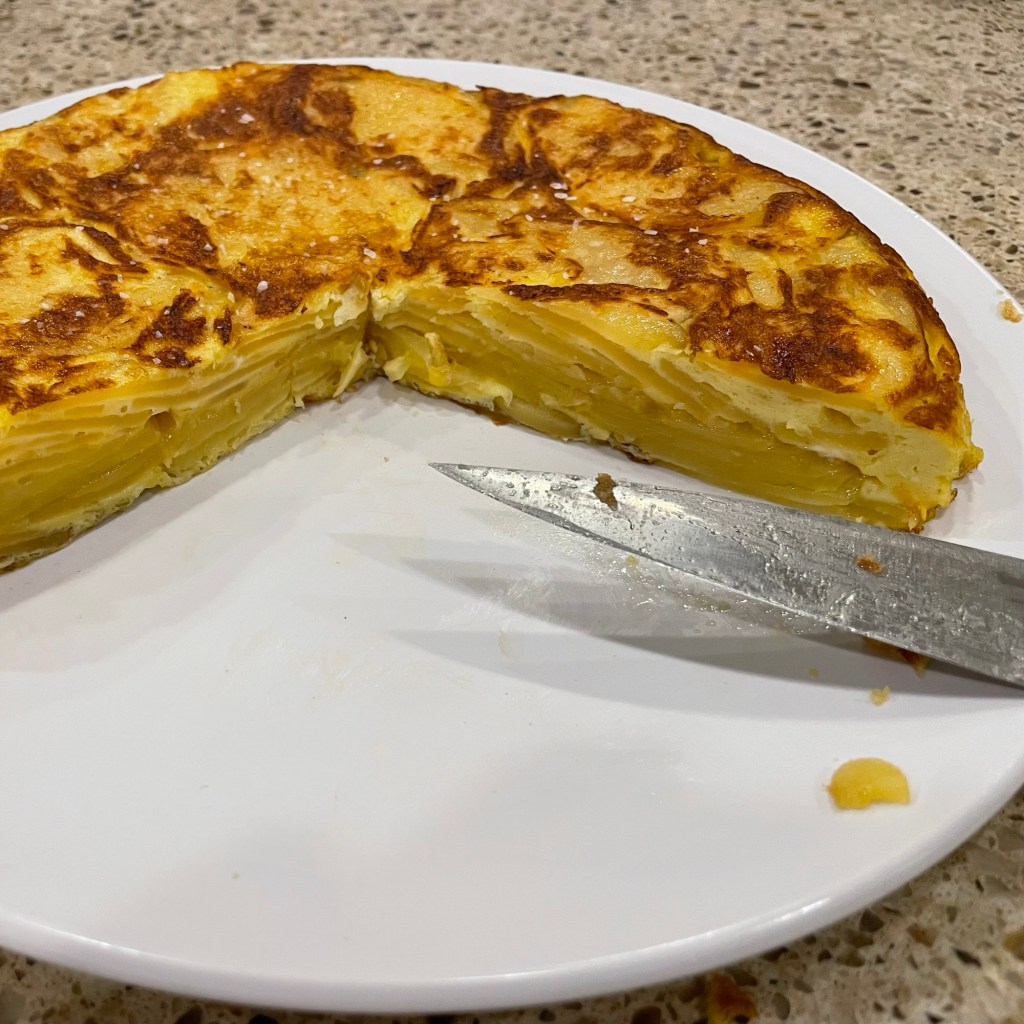
Cook the potatoes til soft in the oil for about 25 minutes, carefully flipping the potatoes to ensure even cooking. You want them to be soft when you pierce them with a knife, but not crumbly. Think of the texture of scalloped potatoes when cooked – soft to the tooth, but still with some body.
When you think you’re there, carefully scoop the potatoes out little by little (using the flat scoop) into the mesh strainer, using a bowl to capture the strained oil. The potatoes need to sit til they are cool enough to add to the egg mixture without cooking the eggs (around 10 minutes)
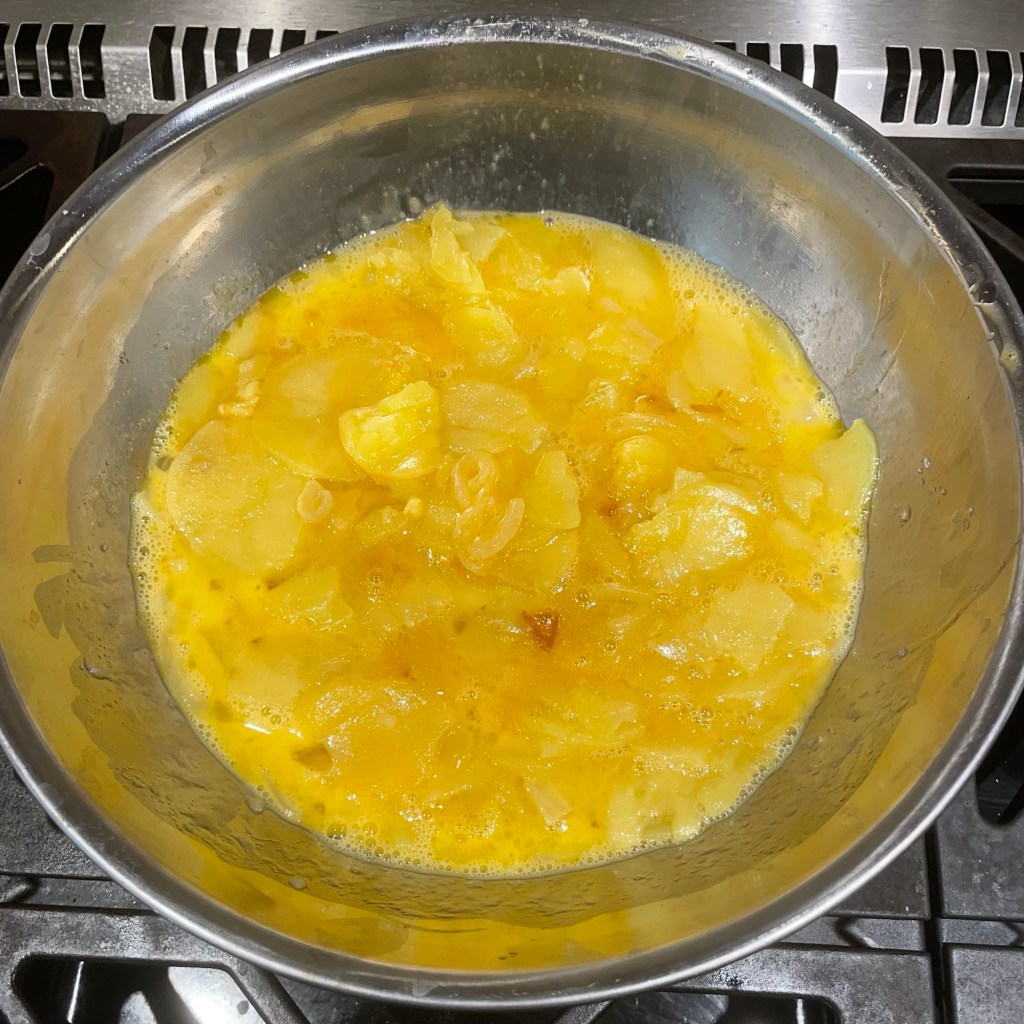
When the potatoes are cool enough to touch, you can add them to the egg and onion mixture. Gently combine them. Then the combined egg, potato, and onion mixture must sit for 15 minutes. This is where the magic happens.
The egg, cooked potatoes, and onion mixture
Heat a non-stick skillet with a teaspoon or two of olive oil on medium-low heat. When the pan is hot, add the combined egg, potato, and onion mixture into the pan. Cook for 6-8 minutes. You can use a spatula to round the edges of the tortilla as it cooks.
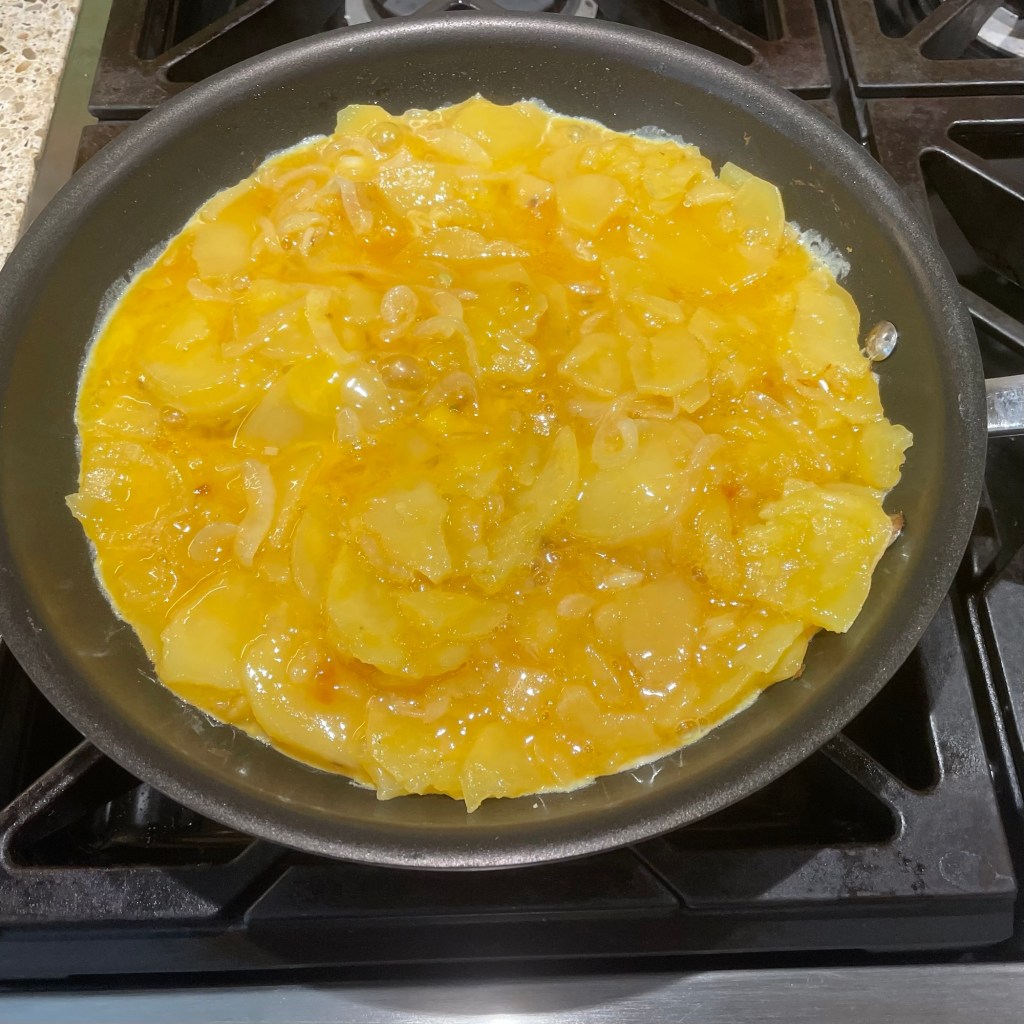
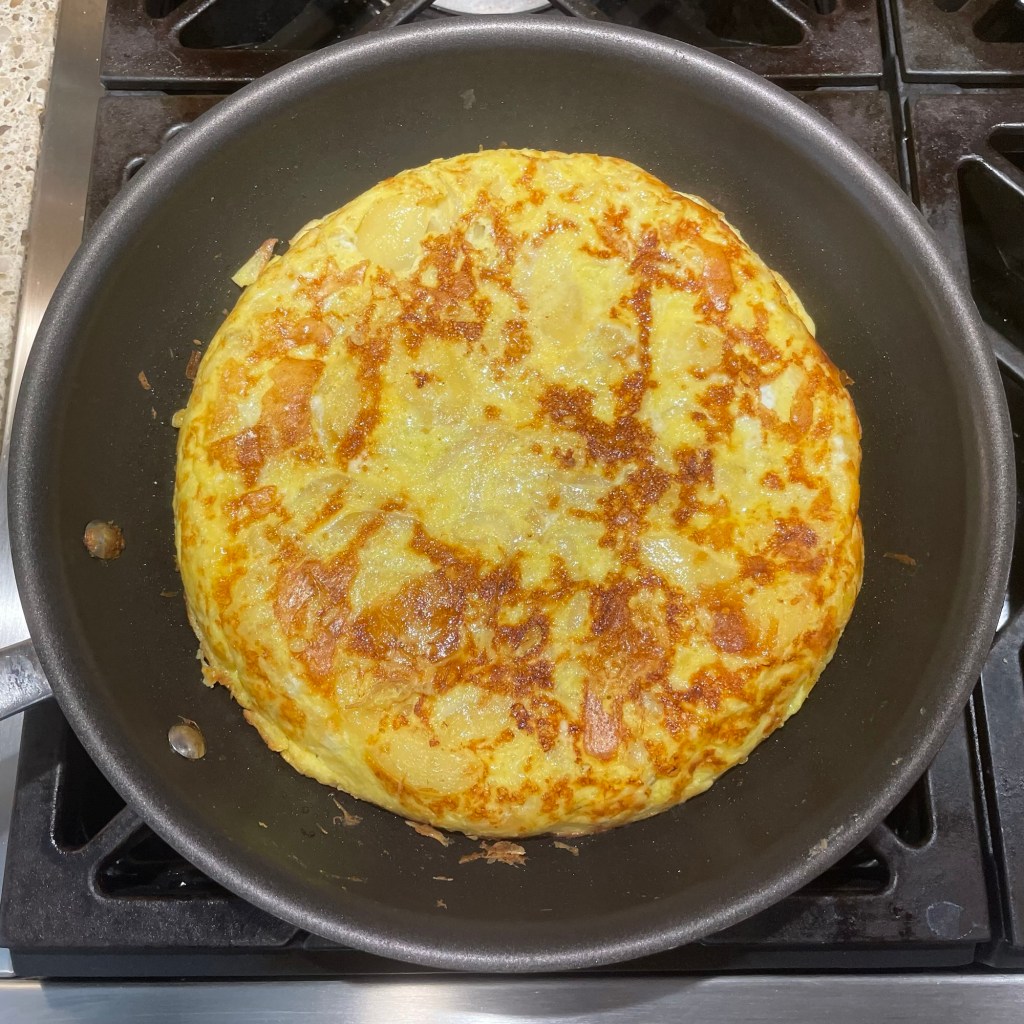
What this recipe’s amount of ingredients looks like in the 10″ skillet
After 6-8 minutes, see if you can insert a spatula under the tortilla to see the color of the bottom. If it is not browned a little it needs more time. If it is golden and a little browned, you can flip it to the other side. It can be a little runny on the top when you flip it. But it should be mostly cooked from the bottom up.
To flip the tortilla, place the flat plate upside down on top of the hot skillet. Using hot pads, grab both sides of the skillet and the plate at the same time, and invert the whole thing. Set the inverted pan and plate on the counter. Lift the pan and place it back on the stove to continue cooking the other side. Then gently slide the tortilla back into the skillet with the half-cooked side up. You may have a little bit of loose egg and potato left on the plate.
The tortilla cooking side 2 after flipping.
Cook the other side of the tortilla for another 6-8 minutes til firm and similarly browned.
When done, use a clean plate and use the technique above to flip the cooked tortilla onto it.
Et voila! The tortilla can be served hot, or at room temperature. Cooking it a day before you need it is just fine. Just let it cool before refrigerating. And then remove from the refrigerator a little while before serving so it can come up to room temperature.
I wish I had taken more of the earlier steps. When I make another one, I’ll try to remember to take additional. If so, I’ll come back here and add them.
Today is the last day of 2025 – a day to reflect on the year. I feel incredibly fortunate to have my family, friends, good health, and all the incredible experiences that I have been blessed with this year.
We had a few visitors; Noreen, David, and Julie visited us in Austin this year. I traveled up to the PNW for a visit with all my sisters, all but one of my siblings’ kids, and all seven of my great-nieces and great-nephews. Sadly, we lost friends Melinda and David in 2025. They are missed and fondly remembered. ❤
The absolute highlight for me is our travels in 2025, which I hope to continue into the new year. The Dominican Republic and Portugal were new countries I visited this year. Our Maine schooner trip was another truly amazing experience. The transatlantic cruise on the Queen Mary 2 was a lifetime memory. Our travels in England introduced me to some incredible new places and scenery, and gave me a deeper understanding of British history. Monte and I also enjoyed getting back to nature on some shorter road trips to see some of Texas’s beautiful parks.
My friends kept me laughing and lifted my spirits. Whatever would I do without them?
For all this, I am truly grateful.
I wish you the very best in the new year. Hug your family and friends. Be kind to yourself. Get out there. Embrace every day.
Happy New Year!
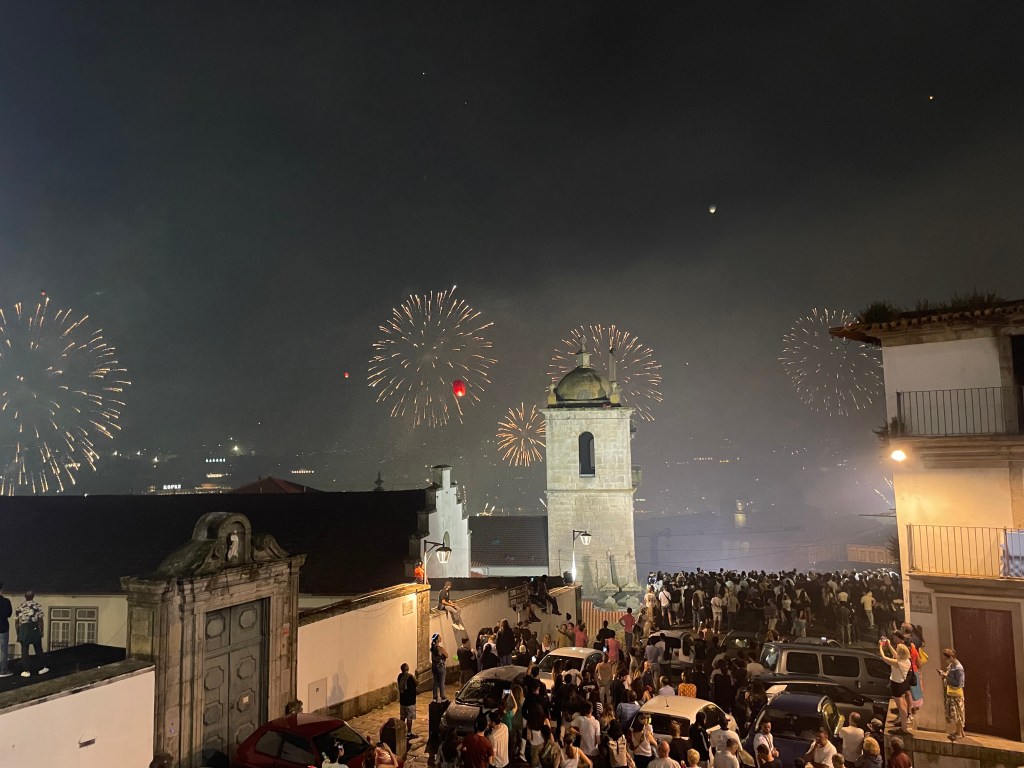
São João Festival fireworks over the Douro in Porto, Portugal. June 2025
I worked two shows of the Beauty and the Beast Broadway in Austin show from the Bass Concert Hall over the weekend. The show was great. My favorite number was “Be Our Guest”; great music and great choreography, including tap.
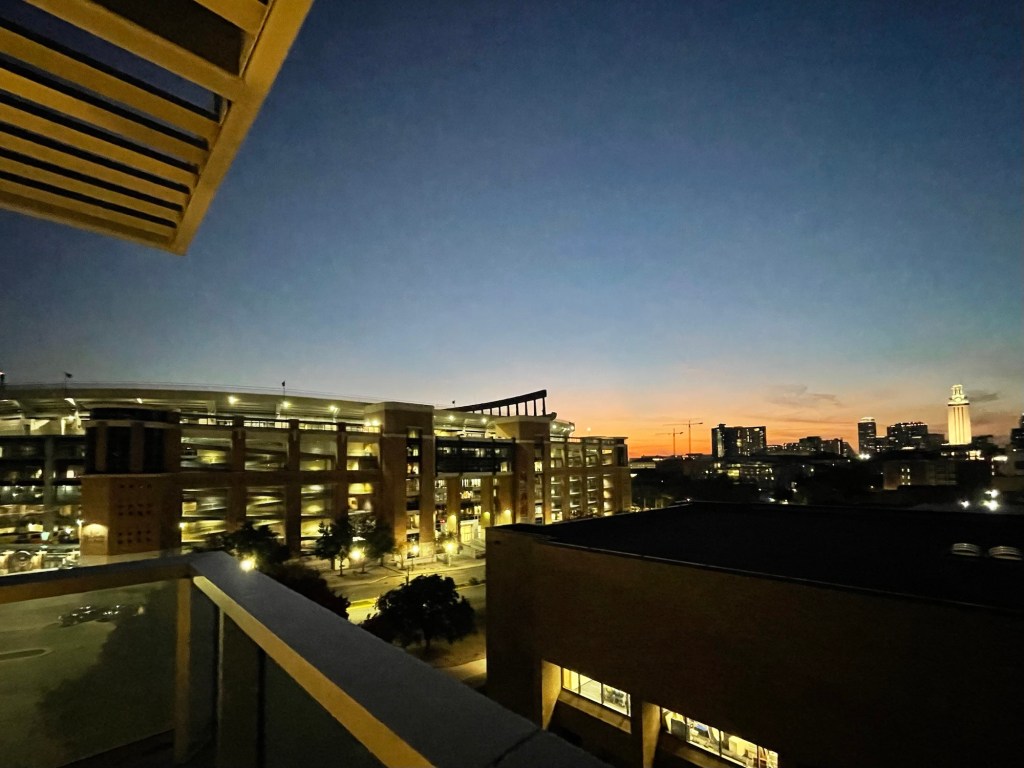
Between shows, I went up to the balcony on the 6th floor to see the post-sunset sky over the 40 Acres.
Looking to the west from the Bass concert Hall. Looking to the southwest; Texas memorial Stadium and the UT tower. Broadway in Austin!
I just returned from a fun girls’ trip to Key West. The reason for the trip was to visit Dry Tortugas National Park. Mission accomplished. Here’s a peek at Key West in December.
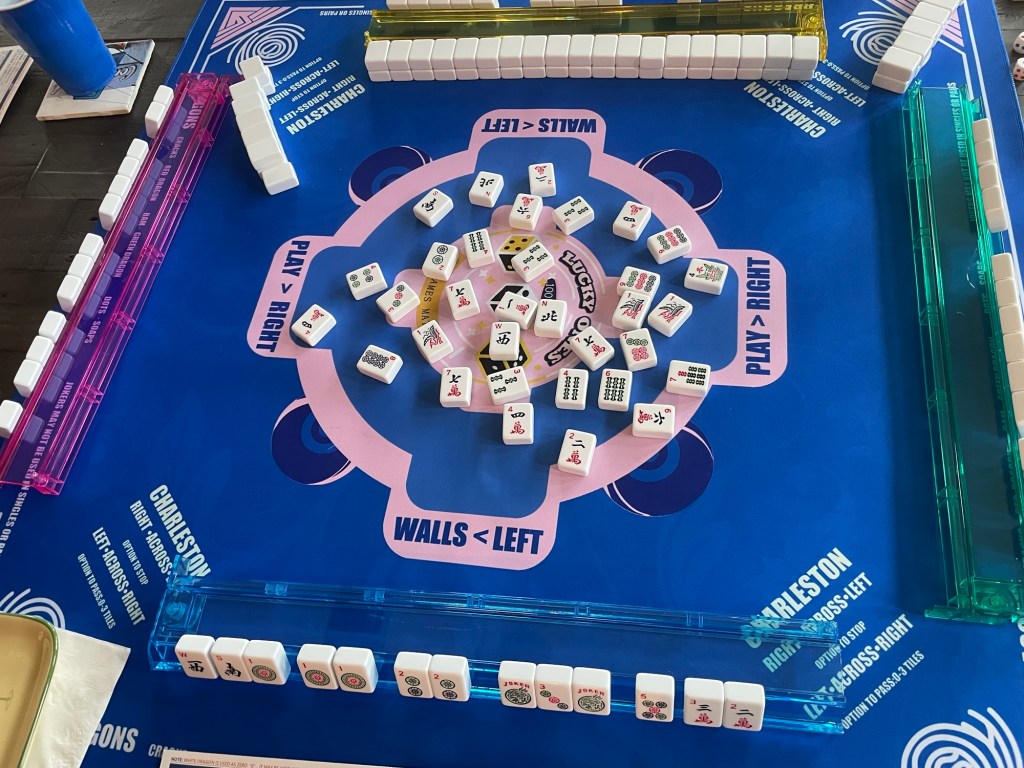
I believe I have entered my mahjong era. Lori bravely started teaching a few of us this game. Very interesting. And challenging to learn. This is not the mahjong tile matching game you may have seen from days of the first desktop computers. It’s more like a complex version of Rummikub on steroids – LOTS of steroids.
We played two games this afternoon. I learned more each time. Very fun. I look forward to more mahjong play. Thanks, Lori!
I love it when Monte wants to experiment with his pizza dough recipe. It’s always excellent, but he always thinks it can be a little bit better. Lucky me.
Ann hosted a brunch today to give us our annual craft challenge. This year it is a pomander! Bonus: it smells great. Thanks to Ann for a fun afternoon. 🧡
One of the things I’ve wanted to do since moving here is visit Lost Maples State Natural Area to see the fall foliage. Garner State Park is 30 miles away from Lost Maples. It doesn’t have the maples, but has a fair number of sycamore and cypress trees, which present beautiful fall color.
So, we took a road trip. Along the way, we discovered a nice BBQ place in Johnson City that we’ve probably driven by 20 times before without noticing: Pig Pen BBQ. We also found an adorable French patisserie on the town square in Kerrville called Pookie’s. I recommend both.
We did a double take when we drove by a roadside point of interest in Ingram, Texas. We just had to turnaround, stop and see. It was a close-to-actual-size model of Stonehenge, and, a bonus, a model of an Easter Island head monolith. Oh, the things you’ll find in Texas.
Stonehenge II and an Easter Island Moai head model in Ingram, Texas.
Near Hunt, we also drove along the Guadalupe River, and right by Camp Mystic, silently witnessing signs of the destruction from the July 4th 2025 devastating flood that raged right through there.
At Garner State Park, we stayed in one of their cabins for two nights. This allowed us to stargaze during the peak of the Leonid meteor shower, and we could make a visit to Lost Maples from there for a nice day trip.
Cabin #2, Garner State Park
Garner State Park is an amazing destination in its own right. It sits on the Frio River, has over 300 campsites, 20+ screened enclosures to camp in, and 20+ cabins like the one we stayed in, which were built in the 1930s by the Civilian Conservation Corps. Being November, it was off-season during our visit, but still pretty busy. They have miles and miles of hiking and biking trails. During the season, their concessions are open, including kayak and tube rentals, a grill and ice cream shop, visitor center, a putt-putt golf course, sand volleyball courts, basketball courts, several park stores, and a jukebox dance every night at the pavilion. I can only imagine how busy they get in the summer.
We saw some meteors. And, we found the Fall foliage!
Cypress trees along the Frio River, Garner State Park ❤Monte skipping a rock on the Frio River.Old Baldy peak at Garner State ParkMore Fall foliage along the Frio River at Garner State ParkBig-Tooth Maple leaves at Lost Maples State Natural AreaMore maples found at Lost Maples 🙂








 Sheila365